Apple Plans To Build Its Own Chips For Mac
SAN FRANCISCO: is planning to use its own chips in Mac computers beginning as early as 2020, replacing processors from Corp, according to people familiar with the plans. The initiative, code named Kalamata, is still in the early developmental stages, but comes as part of a larger strategy to make all of Apple’s devices — including Macs, iPhones, and iPads — work more similarly and seamlessly together, said the people, who asked not to be identified discussing private information. The project, which executives have approved, will likely result in a multi-step transition. The shift would be a blow to Intel, whose partnership helped revive Apple’s Mac success and linked the chipmaker to one of the leading brands in electronics. Apple provides Intel with about 5% of its annual revenue, according to Bloomberg supply chain.
Intel shares dropped as much as 9.2%, the biggest intraday drop in more than two years, on the news. They were down 6.4% at $48.75 at 3:30 p.m. Apple could still theoretically abandon or delay the switch. The company declined to comment. Intel said, “We don’t comment on speculation about our customers.” For Apple, the change would be a defining moment. Intel chips remain some of the only major processor components designed by others inside Apple’s product portfolio.
Currently, all iPhones, iPads, Apple Watches, and Apple TVs use main processors designed by Apple and based on technology from. “We think that Apple is looking at ways to further integrate their hardware and software platforms, and they’ve clearly made some moves in this space, trying to integrate and macOS,” said Shannon Cross an analyst at Cross Research. “It makes sense that they’re going in this direction.
If you look at incremental R&D spend, it’s gone into ways to try to vertically integrate their components so they can add more functionality for competitive differentiation.”.

“Apple is planning to use its own chips in Mac computers beginning as early as 2020, replacing processors from Intel, according to people familiar with the plans,” Bloomberg News reports. “The initiative, code named Kalamata, is still in the early developmental stages, but comes as part of a larger strategy to make all of Apple’s devices — including Macs, iPhones, and iPads — work more similarly and seamlessly together, said the people, who asked not to be identified discussing private information,” Bloomberg News reports. Brief article, marked “developing,” in full.
MacDailyNews Take: Apple’s reliance on Intel – a smaller company worth less than Apple’s cash on hand – to power their industry-leading Macs brings to mind these two quotes:. I’ve always wanted to own and control the primary technology in everything we do. —.
Apple Plans To Build Its Own Chips For Macs From 2020 Replacing Intel
In order to build the best products, you have to own the primary technologies. Steve felt that if Apple could do that — make great products and great tools for people — they in turn would do great things.
He felt strongly that this would be his contribution to the world at large. We still very much believe that. That’s still the core of this company.
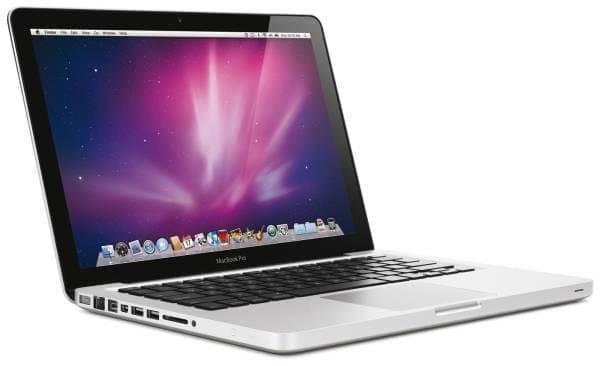
— — Furthermore,: There is no reason why Apple could not offer both A-series-powered Macs and Intel-based Macs. The two are not mutually exclusive iOS devices and OS X Macs inevitably are going to grow closer over time, not just in hardware, but in software, too: Think code convergence (more so than today) with UI modifications per device. A unified underlying codebase for Intel, Apple A-series, and, in Apple’s labs, likely other chips, too (just in case). This would allow for a single App Store for Mac, iPhone, and iPad users that features a mix of apps: Some that are touch-only, some that are Mac-only, and some that are universal (can run on both traditional notebooks and desktops as well as on multi-touch computers like iPhone, iPad, iPod touch, and – pretty please, Apple – Apple TV). Don’t be surprised to see Apple A-series-powered Macs, either.
— SEE ALSO: – December 21, 2017 – December 20, 2017 – December 20, 2017 – December 8, 2017 – October 2, 2017 – June 14, 2017 – February 1, 2017 – October 21, 2016 – October 22, 2016 – October 21, 2016 – October 21, 2016 – October 19, 2016 – October 19, 2016 – October 19, 2016 – October 18, 2016 – September 30, 2016 – September 20, 2016 – September 16, 2016 – September 15, 2016.